
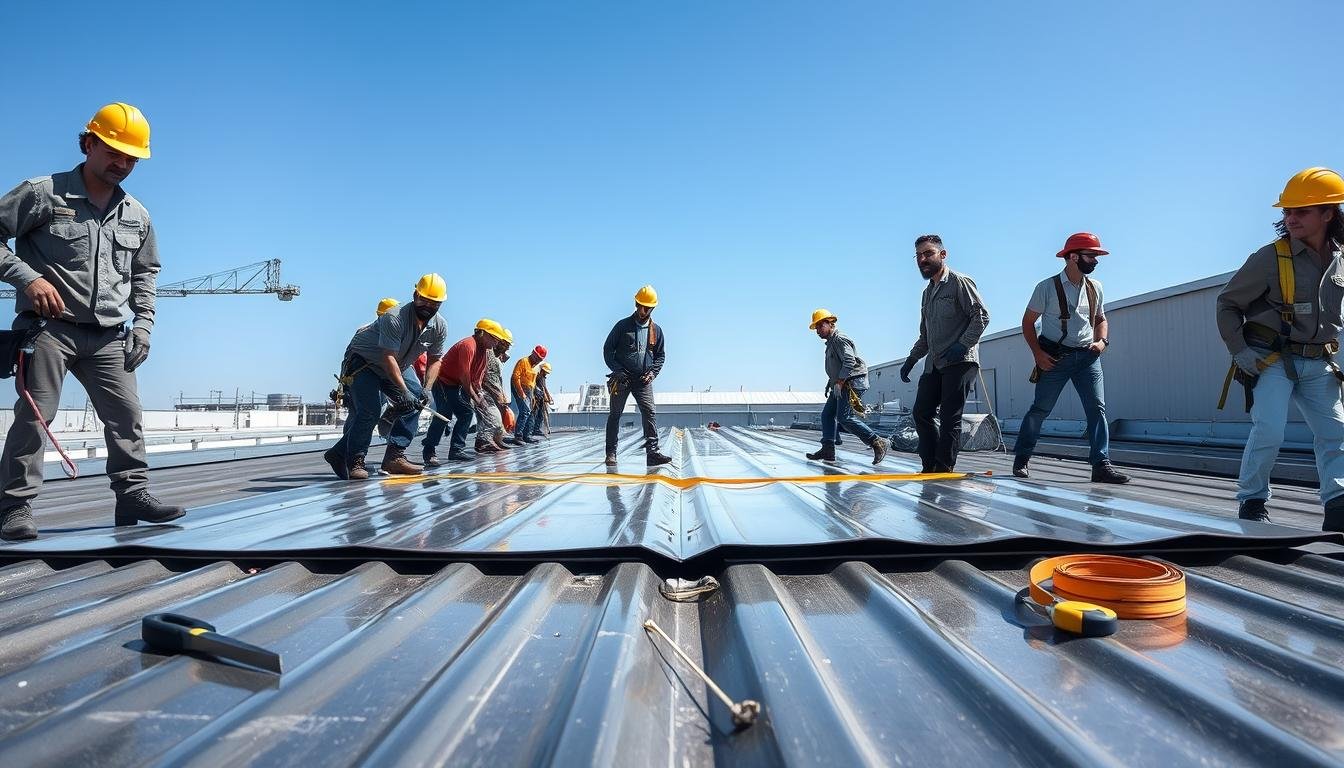
Have you ever wondered why VULCAN Plastics flat roofing sheets are often the go-to choice for low-slope structures? Understanding their significance can change the way you approach roofing projects. Flat roofing sheets serve as a reliable barrier against water intrusion and environmental damage, making them essential for both commercial and residential buildings in the USA. The versatility of flat roofing sheets allows for various applications, ensuring that they meet the specific needs of different projects.
These sheets come in various materials, including corrugated metal roofing panels, PVC roofing membranes, and TPO flat roof materials. Each option offers unique benefits, especially when dealing with the challenges of drainage and ponding water that flat and low-slope roofs face. VULCAN Plastics stands out as a key innovator in the flat roofing sheets market, providing solutions that enhance durability and performance. By choosing the right type of flat roofing sheets, you can significantly improve the longevity and effectiveness of your roofing system.
Key Takeaways
- Flat roofing sheets are crucial for protecting low-slope structures.
- Materials like PVC and TPO offer distinct advantages for roofing.
- VULCAN Plastics leads in innovation for flat roofing solutions.
- Proper installation is vital for long-term performance.
- Understanding drainage issues is key to effective roofing.
What Are Flat Roofing Sheets and Why Are They Important?
Flat roofing sheets are essential components for low-slope structures. They provide a protective layer against water, UV rays, and other weather-related issues. Using flat roofing sheets can help prevent common problems such as leaks and ponding water. Understanding their benefits and materials can aid in making informed decisions for your roofing needs.
Benefits of Using Flat Roofing Sheets
Flat roofing sheets offer several advantages, including:
- Cost-effectiveness: They are generally less expensive than traditional roofing options.
- Easy installation: Flat roofing sheets can be installed quickly, saving time and labor costs.
- Durability: Many flat roofing sheets are designed to withstand harsh weather conditions.
- Energy efficiency: Certain materials can reflect sunlight, reducing cooling costs.
Common Materials for Flat Roofing Sheets
Several materials are commonly used for flat roofing sheets:
- PVC roofing membrane: Known for its durability and energy efficiency.
- Standing seam metal roofing: Offers a sleek appearance and long lifespan.
- Corrugated metal roofing panels: Provide strength and are often used in commercial settings.
How VULCAN Plastics Innovates with Flat Roofing Sheets
VULCAN Plastics is at the forefront of flat roofing sheets innovation. They focus on developing high-quality materials that enhance durability and performance. Their products are designed to meet the needs of various low-slope structures. VULCAN Plastics ensures that their flat roofing sheets are not only effective but also environmentally friendly.
How Do You Prepare for Installation of Flat Roofing Sheets?
Preparing for the installation of flat roofing sheets is essential for achieving a durable and effective roof. Proper planning and the right tools can make a significant difference in the installation process. This section will guide you through the key steps you need to take to prepare for your flat roofing sheets installation.
Measuring and Planning for Your Flat Roofing Sheets
Accurate measurements are critical. Begin by measuring the roof area to determine how many flat roofing sheets you will need. Create a detailed plan that includes:
- Dimensions of the roof
- Type of flat roof installation materials required
- Placement of fiberglass roofing panels or TPO flat roof materials
Selecting the Right Tools for Flat Roofing Sheets Installation
Choosing the right tools can streamline the installation process. Essential tools include:
- Utility knife for cutting sheets
- Measuring tape for accurate dimensions
- Safety gear to protect yourself during installation
Importance of Weather Considerations Before Installing Flat Roofing Sheets
Weather plays a crucial role in the installation of flat roofing sheets. Ensure that you check the forecast before starting. Ideal conditions include:
- Dry weather to prevent moisture damage
- Temperatures above 50°F for optimal adhesion
VULCAN Plastics offers high-quality flat roofing sheets, including fiberglass roofing panels and TPO flat roof materials. Their products are designed to withstand various weather conditions, ensuring a reliable installation.
| Preparation Step | Description |
|---|---|
| Measuring | Accurate dimensions for material calculation |
| Tool Selection | Choosing appropriate tools for installation |
| Weather Check | Ensuring favorable conditions for installation |
With these preparations, you will be ready for a successful installation of your flat roofing sheets. VULCAN Plastics is here to support you throughout the process.
What Are the Key Steps in Installing Flat Roofing Sheets?
Installing flat roofing sheets requires careful planning and execution. You need to follow a series of steps to ensure that your roofing system is both watertight and durable. Whether you choose EPDM rubber roofing sheets or modified bitumen roofing sheets, each step plays a vital role in the overall success of your installation.
Step-by-Step Guide to Installing Flat Roofing Sheets
Start by preparing the surface of your low-slope structure. Clean the area thoroughly to remove debris and ensure proper adhesion. Next, measure and cut your flat roofing sheets accurately. This ensures a snug fit, which is crucial for preventing leaks. After that, apply the appropriate adhesive or fasteners as recommended by the manufacturer. VULCAN Plastics offers high-quality adhesives specifically designed for their flat roofing sheets, ensuring optimal performance.
Tips for Maintaining Flat Roofing Sheets After Installation
Once your flat roofing sheets are installed, maintenance is key to longevity. Regularly inspect your roofing system for any signs of wear or damage. Clean the surface to prevent debris buildup, which can lead to water pooling. VULCAN Plastics recommends performing these checks at least twice a year to maintain the integrity of your roofing system.
How VULCAN Plastics Supports Your Flat Roofing Sheets Installation Process
VULCAN Plastics is dedicated to supporting your flat roofing sheets installation. They provide not only high-quality materials but also expert guidance throughout the process. From choosing the right type of flat roofing sheets to offering installation tips, VULCAN Plastics ensures you have the resources needed for a successful project. Trust their expertise to help you achieve a durable and effective roofing solution.